

.png) 4 day_ago
64
4 day_ago
64

Now entering the operating theater: a robot with steady hands, zero fatigue, and absolutely no idea when not to operate, what informed consent means, or what to do when things go wrong
***
As a medical student, I vividly remember my surgery rotations at Parkland Memorial Hospital in Dallas. The surgical residents worked day and night for five years with very little rest and rare days off. The number of “edge” decisions made during a major surgery including control of bleeding, unexpected anatomical findings, and use of multiple different methods of retraction to gain surgical exposure truly made these surgeons among the top professionals in the world. My senior resident said something on rounds that stuck with me: “the reason why surgery residency is five years is to learn when NOT to operate.” This judgement seems irreplaceable. So I was shocked with Elon Musk’s prediction about robotic surgeons.
Robotic Surgeons: Will Musk’s Prediction Come True—and When?
Elon Musk’s claim that autonomous robots will perform “superhuman” surgery within 3–5 years, that medical school is “pointless,” and that top surgeons can be “built in factories” is a seductive vision. It’s also a profound category error that conflates executing a motion with performing surgery. Let’s separate the marketing from the mechanics.
Click here to read the full article.
*
Click the share button below to email/forward this article. Follow us on Instagram and X and subscribe to our Telegram Channel. Feel free to repost Global Research articles with proper attribution.
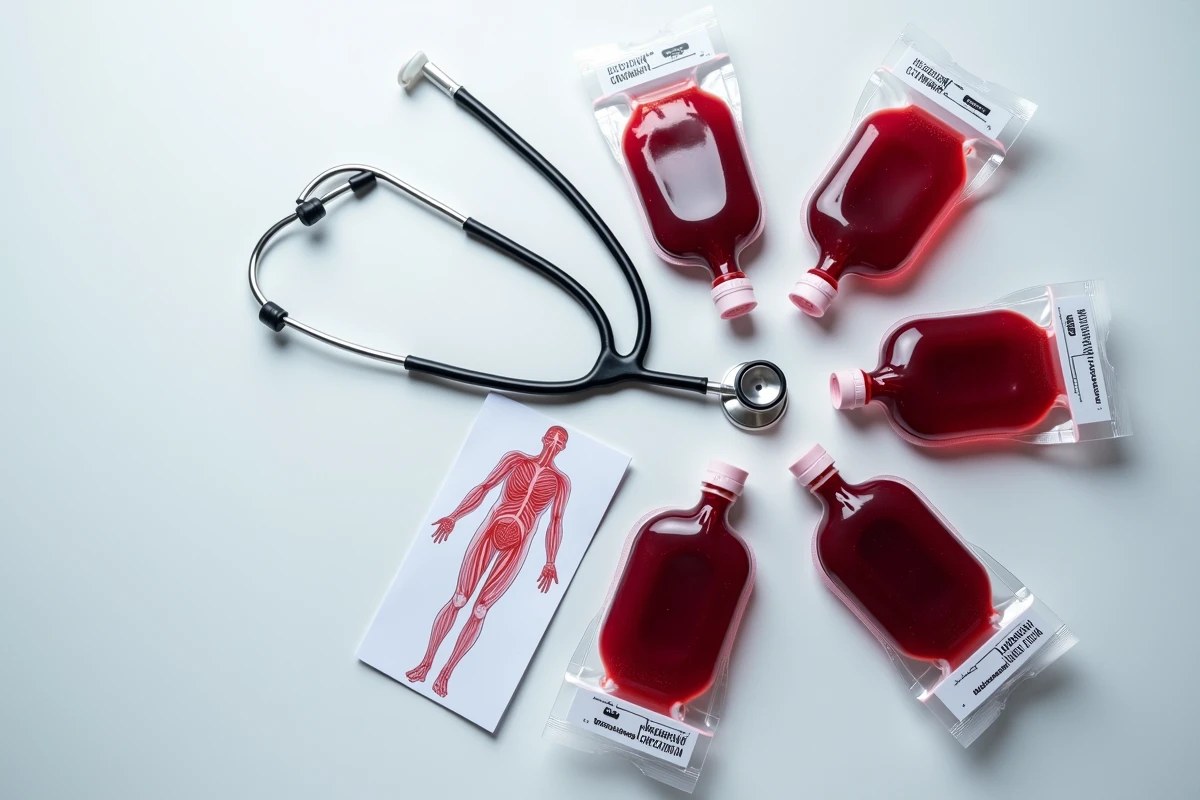
Featured image is from Focal Points
Global Research is a reader-funded media. We do not accept any funding from corporations or governments. Help us stay afloat. Click the image below to make a one-time or recurring donation.


















.jpg)


 French (CA)