

 2 week_ago
49
2 week_ago
49
NE LAISSER PAS LE 5G DETRUIRE VOTRE ADN Protéger toute votre famille avec les appareils Quantiques Orgo-Life® Publicité par Adpathway
The worst fear for Australian wildlife has been realised with bird flu killing a native seal, marking the first mammal to contract the deadly disease on our shores.
A long-nosed fur seal was found dead on Wednesday at Beachport, around 300 kilometres south of Adelaide, after contracting the H5 bird flu strain.
WATCH THE VIDEO ABOVE: First Australian mammal dies from bird flu
Know the news with the 7NEWS app: Download today
“This is sadly our first confirmed case of the H5 bird flu in a mammal in Australia,” Federal Agriculture Minister Julie Collins said.
Wildlife experts say the seal likely contracted the virus due to its close proximity to infected birds along the coastline.
“They live around our coastline in really close proximity to birds like crested terns and the other wild birds that we’ve seen this infection in, so they would be coming across really high levels of virus in their environment.
Collins warned more casualties are inevitable as the virus spreads through the natural environment.
“Once the H5 bird flu is spreading in the natural environment it is not possible to avoid significant losses,” she said.
There are now 298 confirmed detections of bird flu across the country, with the biggest concentration in South Australia.
A little penguin on Kangaroo Island was also confirmed to have contracted the virus on Sunday.
SA Environment Minister Emily Bourke called for a national vaccination program, saying “birds do not know where borders are, where state borders start and finish.”
Importantly, no cases have been detected in poultry or Australia’s agricultural sector yet.
State and federal leaders will meet in coming days for a national cabinet on the crisis.
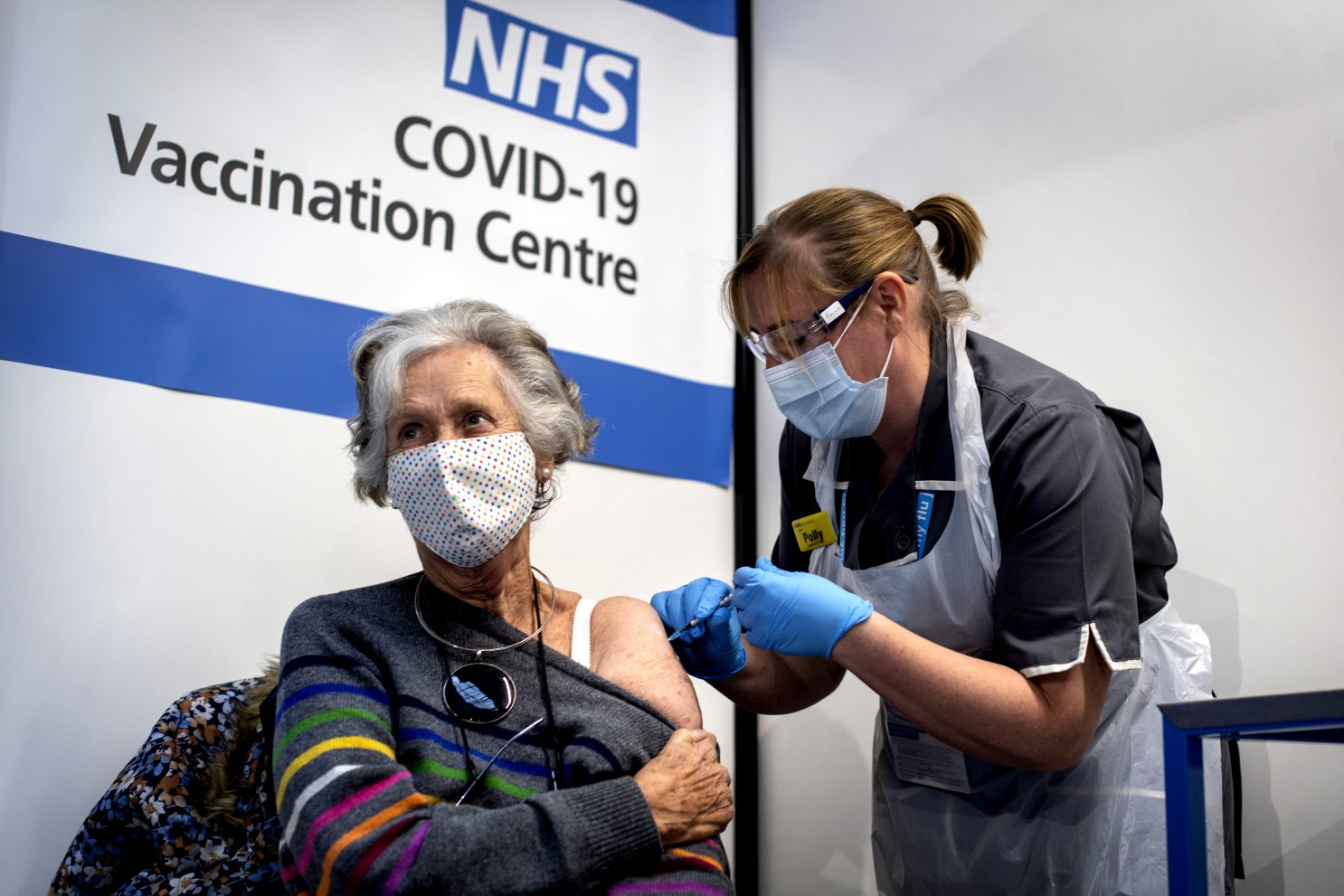
At Phillip Island, vaccinations for the famous colony of little penguins are ramping up, with around 300 birds expected to be vaccinated in a single night.
“That’s why penguins are such great candidates because they’re such habitual creatures. They come along the same pathway every time they return to their burrows,” Phillip Island Nature Parks CEO Catherine Basterfield said.
Ben Thomas from Phillip Island Nature Parks said the vaccination process requires skill.
“There’s a bit of an act to it for sure,” he said. “They are feisty little animals. You do go home with a few bites and scratches.”
The penguins were herded into a corral area, where they were individually weighed, measured, vaccinated and microchipped before being released back to their burrows.
More than 1000 birds have now been vaccinated at Phillip Island and St Kilda.






.jpg)


 French (CA)