

.png) 1 week_ago
37
1 week_ago
37

In 1845, a young man borrowed an axe, walked into the woods outside Concord, Massachusetts, and built himself a one-room cabin for about twenty-eight dollars.
“I went to the woods,” Henry David Thoreau wrote, “because I wished to live deliberately, to front only the essential facts of life, and see if I could not learn what it had to teach, and not, when I came to die, discover that I had not lived.”
He wasn’t running away from the world. He was running toward a life he could call his own. That is what this is about.
Right now, millions of Americans are standing at a crossroads, each for a different reason.
Some have reached the end of their ability to take care of themselves. A generation ago the path was already laid out: assisted living, then a nursing home, then hospice. Others are young, with their whole lives ahead of them, and they’re seeing, with painful clarity, the limits of how they were raised.
Even where there were good parents and a caring family, the society around them didn’t change.
We didn’t change how we eat. Today roughly three out of four American adults are overweight or obese, and our children are heavier than any generation before them.
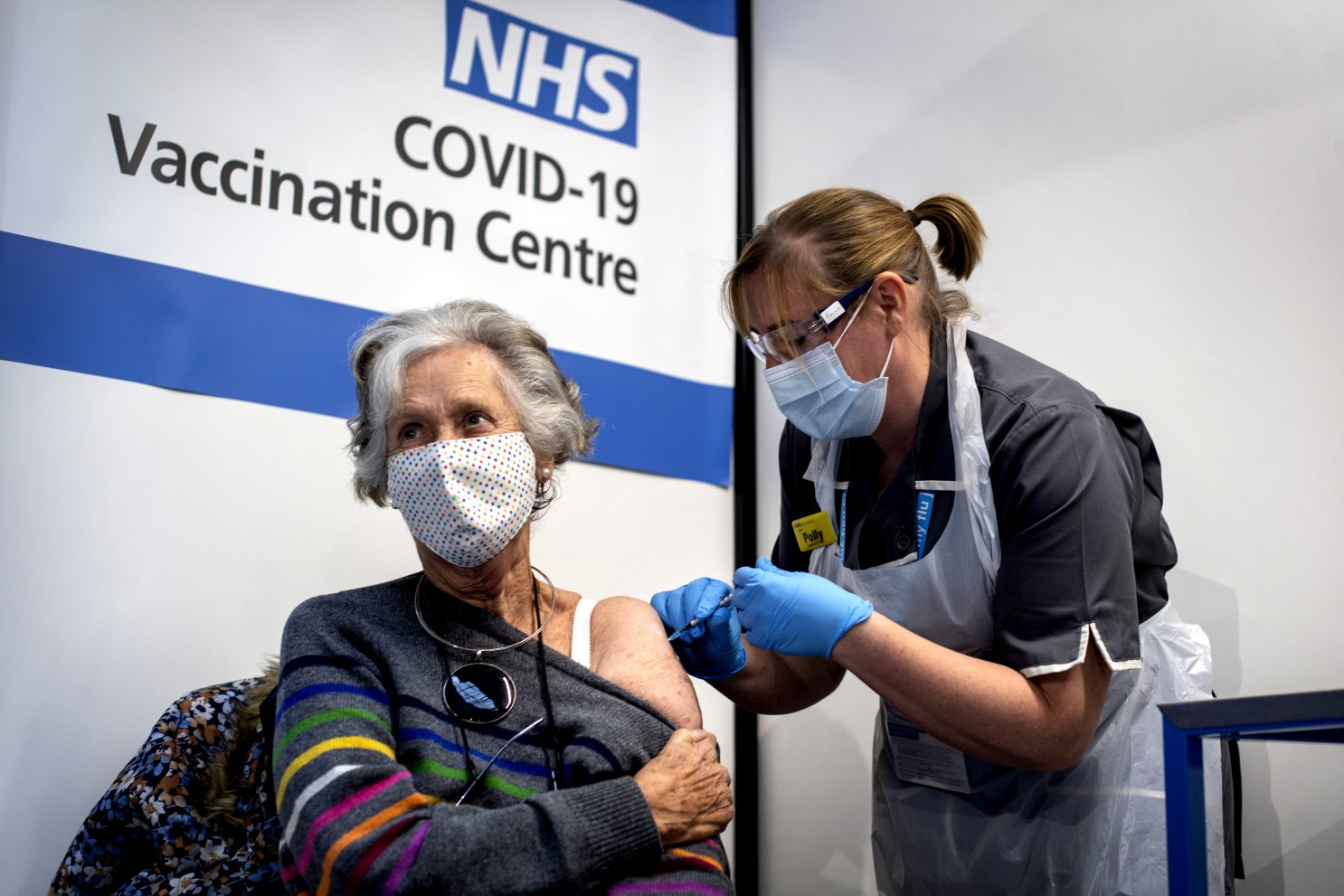
With that comes the whole parade: diabetes, high blood pressure, heart disease, fatty liver disease. Add to that what I believe is enormous harm from medicine itself: the overdiagnosed, the overmedicated, and those injured by the very treatments meant to protect them, including the vaccines and boosters. And no one in authority is willing to take responsibility for any of it.
Meanwhile, the economic ground has shifted under our feet. In the 1940s, ’50s, ’60s and ’70s, a working person could graduate from high school, get a job, buy a home, raise a family and retire with savings and little or no debt. Today it takes two incomes, sometimes two jobs apiece, just to keep a roof overhead, because the cost of housing, whether a house, an apartment, a co-op or a condominium, has far outrun wages. So hundreds of thousands of people are now sleeping in RVs, vans and cars. In the 1930s we called their camps Hoovervilles, and John Steinbeck told their story in The Grapes of Wrath. Today we call it “van life” and pretend it’s a lifestyle choice.
So ask yourself: What happens when you’re young and can’t see a bright future? What happens when you’re older and can’t see any future at all? What happens when the very people you trusted and voted for pass policy after policy that works against you, and then come back every election season kissing babies, eating hot dogs at the county fair and telling you, “I’m one of you”? We should have given up that ghost long ago. We didn’t.
Now along comes artificial intelligence, promising to make us all brighter and happier. Just ask it. It will tell you what to think, what you need to know, what your answer should be. You never have to think for yourself again. And that is exactly the danger, because we are already losing the ability to think and read on our own. The most recent national survey of adult skills found that more than one in four American adults now read at the lowest level measured, a sharp jump in just a few years. Millions read at an eighth- or ninth-grade level. Some can’t read at all. Imagine what that does to a person’s job prospects, or simply to the quality of their life.
Some struggle with English. Others were never asked to struggle with anything. They’ve lived off the excess of parents who became nothing more than a permanent safety net. What lesson do you learn if you never have to say you’re sorry, never have to answer for your mistakes? That, too, is part of the generation we are facing today.
And we’re seeing things we’ve never seen before. In a single weekend in Chicago, dozens of people shot, and it has gone on for decades no matter who holds office. Gangs control whole streets. High school football games are called off because players and fans start brawling. Fights break out at weddings, at youth sporting events, among passengers stepping off a cruise ship. Teachers are assaulted. Strangers are sucker-punched on the sidewalk by someone who films it for bragging rights. And very little is done to stop it, or even to discourage it.
A lot of us look around and think, this is not the world I remember. And it isn’t getting better. At almost every level, it’s getting worse.
Think about what we’ve learned to live with. We work two jobs to pay for a home the bank really owns. We carry thirty years of debt on a house, seven on a car and a lifetime on a credit card. We commute an hour each way, answer the boss at midnight and call a week off a luxury. We rent our music, our movies, even our software, and own none of it.
We eat out of boxes and drive-thru windows, then take a pill for the blood pressure, another for the blood sugar and another to sleep. Our kids can name fifty brand logos but not five vegetables in a garden. They spend more hours in front of a screen than under the sky.
We check our phones before we say good morning to the person beside us. We have hundreds of friends online and no one to call at two in the morning. We don’t know our neighbors’ names. We’ve forgotten how to read a map, grow a tomato, sew on a button or fix a leaky faucet, and if the trucks stopped rolling, most grocery stores would be empty within a few days. And now we’re being told to hand over our thinking, too.
None of this is normal. We’ve simply adapted to it. We have learned to live with things we were never meant to live with.
That is why I’m suggesting we get off the grid.
Now the honest question: How? If a person is functionally illiterate, how do they suddenly become skilled enough to live independently? Where are the resources? Who is going to help? What do we have to change, and what do we have to learn, when so many people would rather do anything than open a book?
So let me be clear. This isn’t for everyone. It’s for the person who is motivated. The person who still believes a good life is possible, just maybe not where they’re standing right now.
That person has been here before. In 1932, in the depths of the Great Depression, Helen and Scott Nearing left New York City for a run-down farm in Vermont. They grew their own food, built their own stone buildings, and limited their “bread labor” to about four hours a day, giving the rest to study, music and community. Their book, Living the Good Life, became the handbook for a whole generation that went back to the land in the 1960s and ’70s. They proved it could be done, not by the rich, but by the determined.
So where do you go? What are the best places to live? What skills and jobs will matter in the years ahead? How do you grow your own food, make your own power, secure your own water and build a community of people you can count on? That’s what the User’s Guide for Surviving the Future: Strategies for Getting Off the Grid is all about.
This doesn’t read like a repair manual for your air conditioner or your transmission. We’ll cover the practical things, absolutely, but through history, through the stories of people who did it before us, and through the questions that make life worth living in the first place. Those who come looking for real information will find it here. Those who would rather keep doing what they’ve always done will keep getting what they’ve always gotten.
Thoreau put it plainly: “Simplicity, simplicity, simplicity!”
Let’s begin.
The first step toward getting off the grid and reclaiming your authentic life (a life of meaningful purpose, where happiness, unconditional love, and joy are part of your everyday experience) is to be honest with yourself.
Stop making excuses for other people’s dysfunction or harmful behavior. Ask yourself: How have I adapted to negative influences? Have I accepted the wrong people, stayed in the wrong places, or continued doing things that are wrong for me, trying to convince myself that it’s all normal?
What follows is an outline of common maladaptations to consider. Each is meant as a starting point for your own introspection before you make any major changes in your life.
Here’s the Grouped List of Maladaptations
We’ve learned to live with these, but we were never meant to. Why getting off the grid makes sense.
Food and Health
- Eating food that comes out of a box, a bag, or a drive-thru window more often than out of the ground
- Kids who can name 50 brand logos but not five vegetables growing in a garden
- Being on several prescriptions by middle age and calling it normal
- Treating exhaustion, poor sleep, and constant aches as just “getting older”
- Needing caffeine to wake up and a pill or a drink to wind down
- Sitting 10+ hours a day, then paying a gym to make up for it
- Drinking bottled water that can cost more per gallon than gasoline
Money and Housing
- Spending half or more of your income on rent or a mortgage
- Taking 30 years of debt to own a home, and 5–7 years of debt for a car that loses value the day you drive it off the lot
- Starting adult life with student loans for a degree that may not lead to a job
- Two incomes needed to live the way one income once did
- Paying monthly subscriptions for music, movies, software, even heated car seats, and owning none of it
- Buy-now-pay-later for groceries and sneakers
- Carrying a credit card balance at 20%+ interest as a permanent way of life
- Retirement plans that amount to “work until I can’t”
Work and Time
- Commuting an hour or more each way, which adds up to weeks of your life every year
- Being reachable by the boss 24/7 through a phone in your pocket
- Calling a week’s vacation a luxury
- Paying someone else to cook, clean, fix, and raise the kids so we can work longer to pay them
Technology and the Mind
- Checking the phone before saying good morning to the person next to you
- Letting an app decide what news you see, what you buy, and who you date
- Kids with more screen time than outdoor time
- Losing the ability to read a map, do math in your head, write by hand, or remember a phone number
- Having hundreds of “friends” online and no one to call in an emergency
- Believing anything is true if it’s said confidently enough, or often enough
- Now, handing our thinking over to AI
Community and Culture
- Not knowing your neighbors’ names
- Elderly parents in institutions and grown kids 2,000 miles away
- Children who’ve never been allowed to walk to school alone, play unsupervised, or fail at something
- Entertainment built on humiliation, outrage, and violence
- Voting for the same people who failed us last time
- Accepting shootings, brawls, and sucker punches as just “the news”
- Politeness, apology, and personal responsibility treated as weakness
Self-reliance and Skills
- Not knowing how to grow a tomato, sew a button, change a tire, or fix a leaky faucet
- Throwing things away because repairing them costs more than replacing them, or because they were designed to break
- A grocery system that would leave most towns with about three days of food if the trucks stopped
- Total dependence on the grid for power, water, heat, and information, with no backup plan
The Environment We Live in
- Lawns that need water, fertilizer, and gas-powered mowers but feed no one
- Artificial light all night and no view of the stars
- Constant background noise from traffic, TVs, and leaf blowers
- Plastic in everything: packaging, clothing, water
Now that we have a better understanding of why we should get off the grid, let’s explore how to do it and what comes next. How do we find work that supports us? Where should we live? Which states and cities best suit young adults, young couples, families with children, and senior citizens? Everyone’s circumstances are different, and each person has a range of needs to consider.
To help you navigate these decisions, I’ve recently completed The User’s Guide For Surviving The Future. This 34-page guide addresses these questions and many more. It will be available on Gary Null’s Substack for you to read and use as you plan your next steps.
*
Click the share button below to email/forward this article. Follow us on Instagram and X and subscribe to our Telegram Channel. Feel free to repost Global Research articles with proper attribution.
Dr. Gary Null is host of the nation’s longest running public radio program on alternative and nutritional health and a multi-award-winning documentary film director, including his recent Last Call to Tomorrow. He is a regular contributor to Global Research.
Featured image gornostay/Shutterstock.com
Global Research is a reader-funded media. We do not accept any funding from corporations or governments. Help us stay afloat. Click the image below to make a one-time or recurring donation.






.jpg)


 French (CA)