

.png) 2 month_ago
12
2 month_ago
12
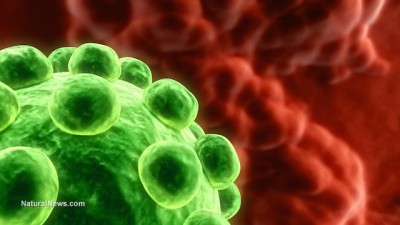
Vitamin E has different forms.
Most people know about tocopherols (the common form in supplements), but TOCOTRIENOLS are a less common but more potent sibling.
Tocotrienols have extra benefits like fighting inflammation, stopping unwanted cell growth, and acting as antioxidants. Studies show tocotrienols have strong anticancer effects on their own, but here the focus is on their ability to team up with chemo drugs.
How Do Tocotrienols Help Sensitize Cancer Cells?
Tocotrienols interfere with the tricks cancer cells use to resist drugs, by inhibiting:
- NF-κB — a switch that turns on inflammation and “survival mode” in cancer cells.
- STATs — proteins that send signals telling cells to keep growing.
- Akt/mTOR — a pathway that helps cells ignore death signals and keep proliferating.
- Bax/Bcl-2 — a balance scale for cell death (Bax pushes for death, Bcl-2 blocks it).
- Wnt/β-catenin — a system that promotes uncontrolled growth and spreading.
By dialing down these pro-cancer signals, tocotrienols tip the balance toward apoptosis (programmed cell suicide) and make it harder for cancer cells to survive chemo.
Specific Chemo Drugs They Help With
- Cisplatin — damages cancer cell DNA.
- Doxorubicin — interferes with DNA and stops cell division.
- Paclitaxel — messes up the cell’s structure to prevent division.
When combined, Tocotrienols often:
- Increase how much of the drug gets inside the cancer cells.
- Amplify the drug’s killing power (higher cytotoxicity).
- Help reverse multidrug resistance (when cells resist several drugs at once).
Conclusions
Tocotrienols show strong promise as natural chemosensitizers.
They can enhance the impact of standard chemo drugs by hitting multiple resistance mechanisms at once.
This could lead to better treatment results with potentially lower (safer) drug doses.
The review positions tocotrienols as part of a broader trend: using plant-based compounds (phytochemicals) in smart combinations to fight cancer resistance.
.

.
***
Combining with Mebendazole or Fenbendazole
Why might tocotrienols theoretically help mebendazole work better?
- Complementary targets: Mebendazole hits microtubules and mitosis hard, while tocotrienols excel at hitting signaling pathways (e.g., NF-κB, Akt/mTOR, Wnt) that help cancer cells survive stress or resist death. Together, they could create a “double hit” — one disrupting structure/division, the other shutting down survival signals — leading to more effective apoptosis.
- Overcoming resistance: Many cancers resist microtubule drugs (like taxanes or vincristine) via pathways Tocotrienols suppress. If Mebendazole faces similar resistance issues, Tocotrienols might help sensitize cancer cells to Mebendazole.
-
Synergy pattern seen elsewhere: Tocotrienols synergize with other microtubule-interfering agents (e.g., paclitaxel/docetaxel in various studies) and with drugs targeting similar pathways. Mebendazole’s microtubule action is somewhat analogous, so a similar synergy boost is plausible.
*
Click the share button below to email/forward this article. Follow us on Instagram and X and subscribe to our Telegram Channel. Feel free to repost Global Research articles with proper attribution.
Dr. William Makis is a Canadian physician with expertise in Radiology, Oncology and Immunology. Governor General’s Medal, University of Toronto Scholar. Author of 100+ peer-reviewed medical publications.
Global Research is a reader-funded media. We do not accept any funding from corporations or governments. Help us stay afloat. Click the image below to make a one-time or recurring donation.




















.jpg)


 French (CA)